
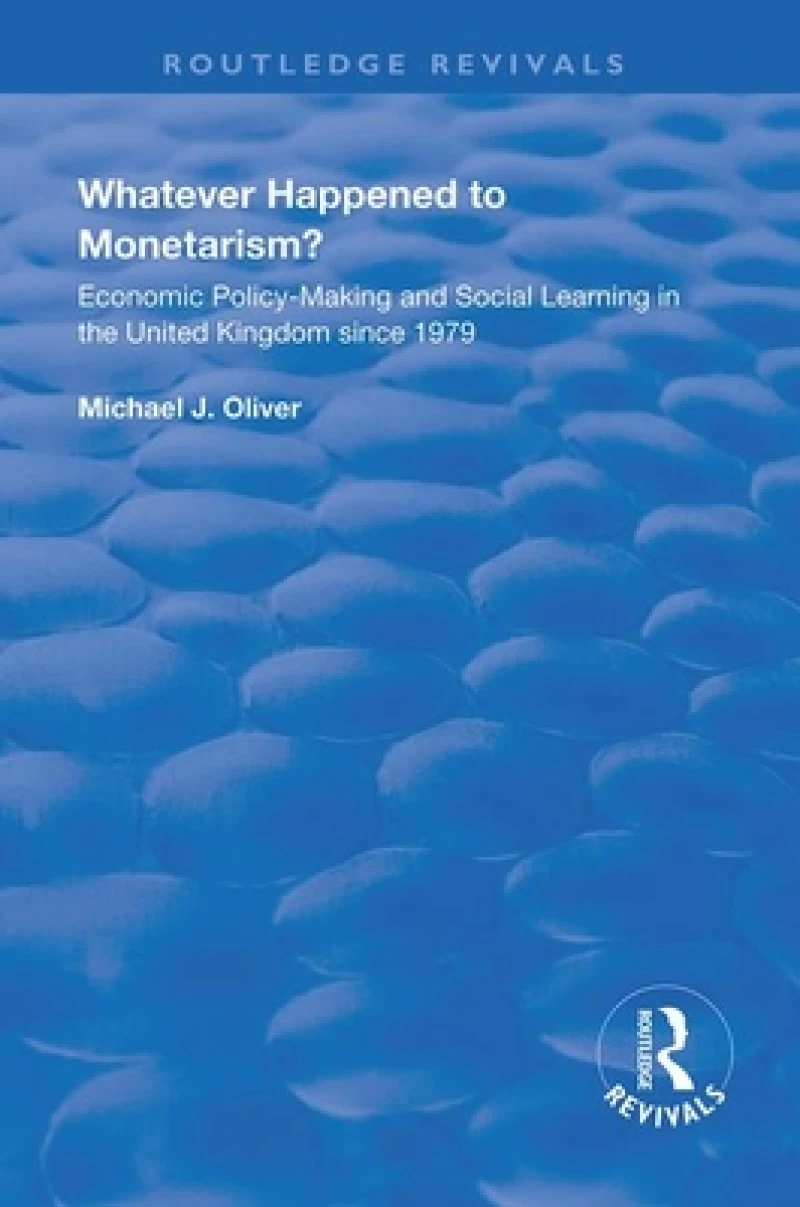
Whatever Happened to Monetarism? : Economic Policy Making and Social Learning in the United Kingdom Since 1979
Book Details
AI Summary
Delivery Location
Delivery fee: Select location
First published in 1997, this volume responds to the Conservative intention of conducting economic policy along monetarist lines after winning the General Election in May 1979. Michael J. Oliver argues that the monetarist strategy was rejected for several reasons during the 1980s, including the recession of the early 1980s, the change in attitude to the role of the exchange rate and disagreements between politicians and policy-makers. It is shown that the disputes between Chancellor Nigel Lawson, Lady Thatcher and her economic adviser, Sir Alan Walters, are central to explaining why macroeconomic policy-making evolved considerably from the mid-1980s.
This book is the first attempt by an economic historian to apply a social learning model to the post-1979 period. By adopting an inter-disciplinary approach, Oliver has made both an accessible addition to the debate on the conduct of economic policy since 1979 and a major contribution to the growing interest in social learning amongst social scientists.
Get Whatever Happened to Monetarism? by at the best price and quality guaranteed only at Werezi Africa's largest book ecommerce store. The book was published by Taylor & Francis Ltd and it has pages.
Discover books you might love based on this title.
More in This Genre

Les Recoltes des forets publiques au Quebec et en Ontario, 1840-1900
Ksh 6,300.00

Letters From an Old Railway Official: Second Series; His Son, a General Manager (Classic Reprint)
Ksh 3,300.00
Coal in Victorian Britain, Part I, Volume 2
Ksh 10,150.00
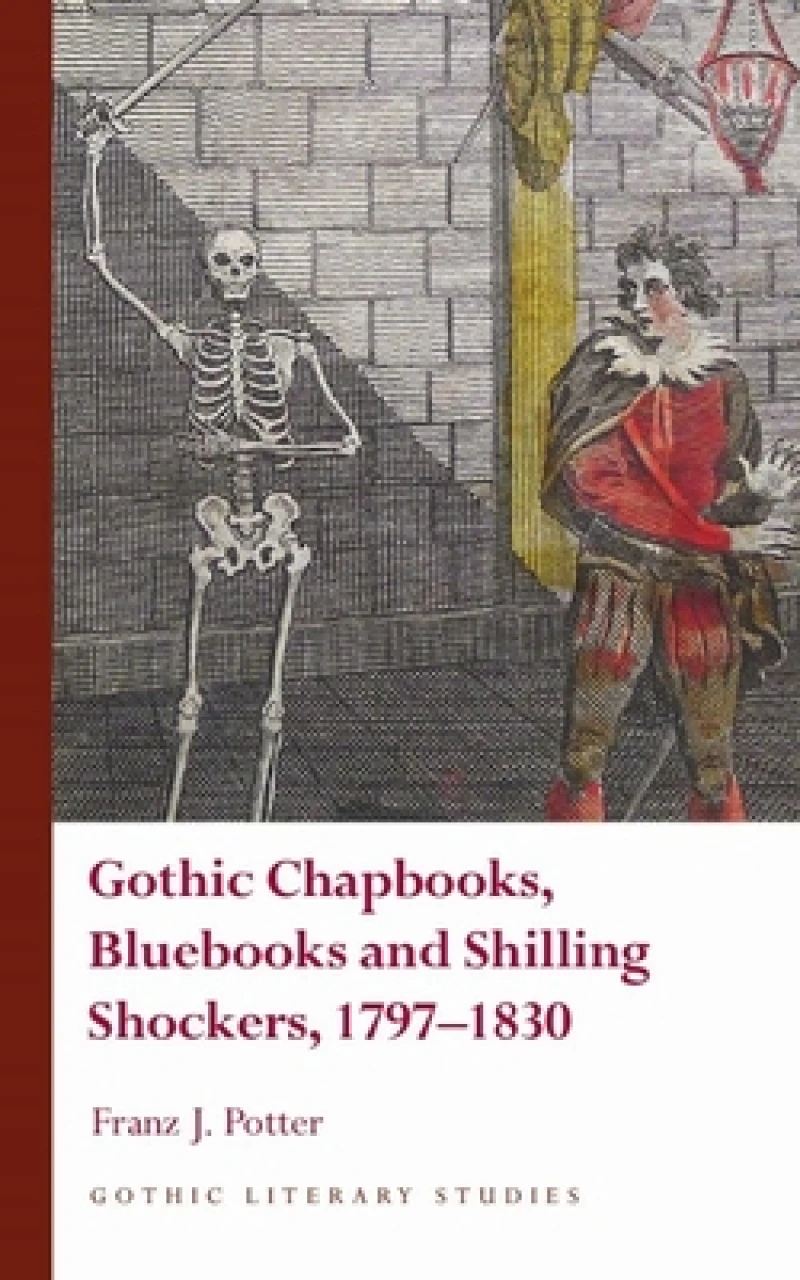
Gothic Chapbooks, Bluebooks and Shilling Shockers, 1797-1830
Ksh 12,600.00

Up In Arms
Ksh 3,500.00

Totara
Ksh 6,350.00
