

Sufi Lovers, Safavid Silks and Early Modern Identity
Book Details
Format
Hardback or Cased Book
Book Series
Visual and Material Culture, 1300-1700
ISBN-10
9463721738
ISBN-13
9789463721738
Publisher
Amsterdam University Press
Imprint
Amsterdam University Press
Country of Manufacture
GB
Country of Publication
GB
Publication Date
Feb 14th, 2023
Print length
248 Pages
Weight
612 grams
Dimensions
17.70 x 24.90 x 1.90 cms
AI Summary
Ksh 22,500.00
Werezi Extended Catalogue
0 in stock
Delivery Location
Delivery fee: Select location
Secure
Quality
Fast
This book examines a group of sixteenth- and seventeenth-century figural silks depicting legendary lovers from the Khamsa (Quintet) of epic Persian poetry. Codified by Nizami Ganjavi in the twelfth century, the Khamsa gained popularity in the Persian-speaking realm through illustrated manuscripts produced for the elite, creating a template for illustrating climactic scenes in the love stories of “Layla and Majnun” and “Khusrau and Shirin” that appear on early modern silks. Attributed to Safavid Iran, the publication proposes that dress fashioned from these silks represented Sufi ideals based on the characters. Migration of weavers between Safavid and Mughal courts resulted in producing goods for a sophisticated and educated elite, demonstrating shared cultural values and potential reattribution. Through an examination of primary source materials, literary analysis of the original text, and close iconographical study of figural designs, the study presents original cross-disciplinary arguments about patronage, provenance, and the socio-cultural significance of wearing these silks.
This book examines a group of sixteenth- and seventeenth-century figural silks depicting legendary lovers from the Khamsa (Quintet) of epic Persian poetry. Codified by Nizami Ganjavi in the twelfth century, the Khamsa gained popularity in the Persian-speaking realm through illustrated manuscripts produced for the elite, creating a template for illustrating climactic scenes in the love stories of “Layla and Majnun” and “Khusrau and Shirin” that appear on early modern silks. Attributed to Safavid Iran, the publication proposes that dress fashioned from these silks represented Sufi ideals based on the characters. Migration of weavers between Safavid and Mughal courts resulted in producing goods for a sophisticated and educated elite, demonstrating shared cultural values and potential reattribution. Through an examination of primary source materials, literary analysis of the original text, and close iconographical study of figural designs, the study presents original cross-disciplinary arguments about patronage, provenance, and the socio-cultural significance of wearing these silks.
Get Sufi Lovers, Safavid Silks and Early Modern Identity by at the best price and quality guaranteed only at Werezi Africa's largest book ecommerce store. The book was published by Amsterdam University Press and it has pages.
Discover books you might love based on this title.
More in This Genre

Henry Neville and English Republican Culture in the Seventeenth Century
Ksh 15,300.00
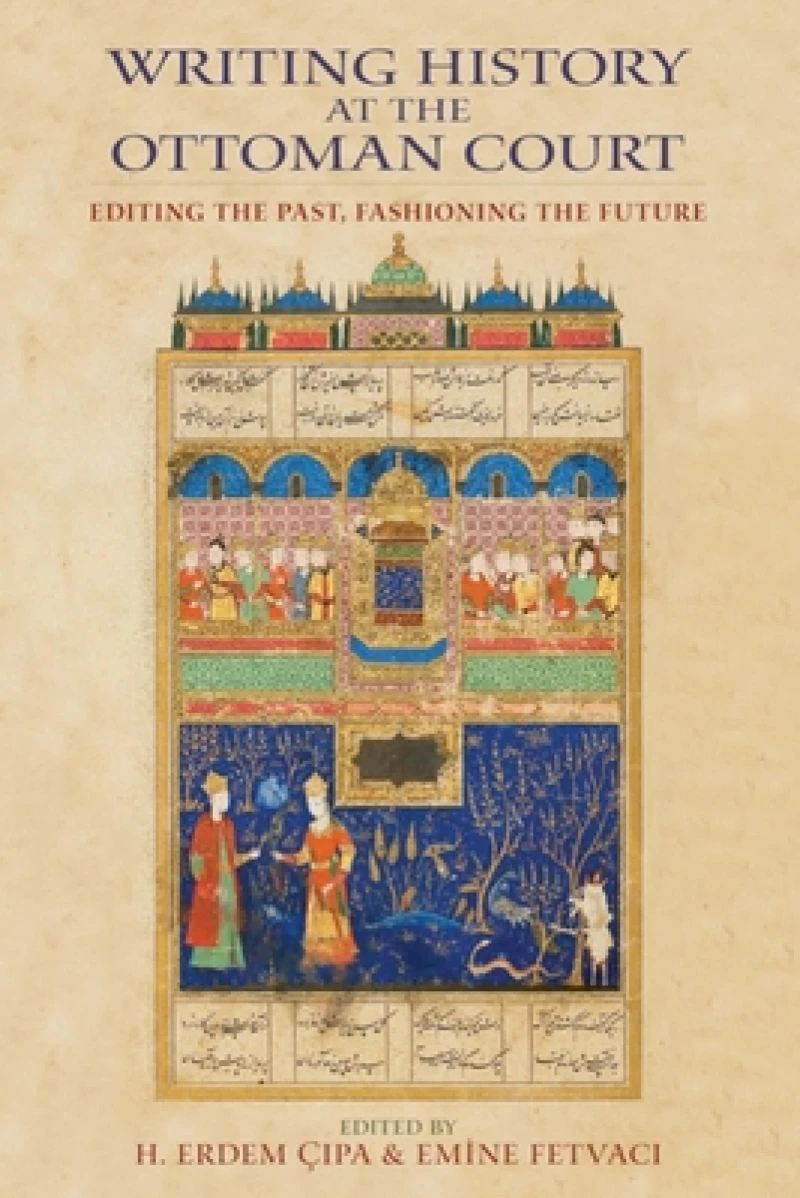
Writing History at the Ottoman Court
Ksh 3,400.00

The Arab Winter
Ksh 2,500.00

Monarchy and Matrimony
Ksh 9,000.00

The Secret Anglo-French War in the Middle East
Ksh 10,900.00

Democracies and the Shock of War
Ksh 9,000.00
