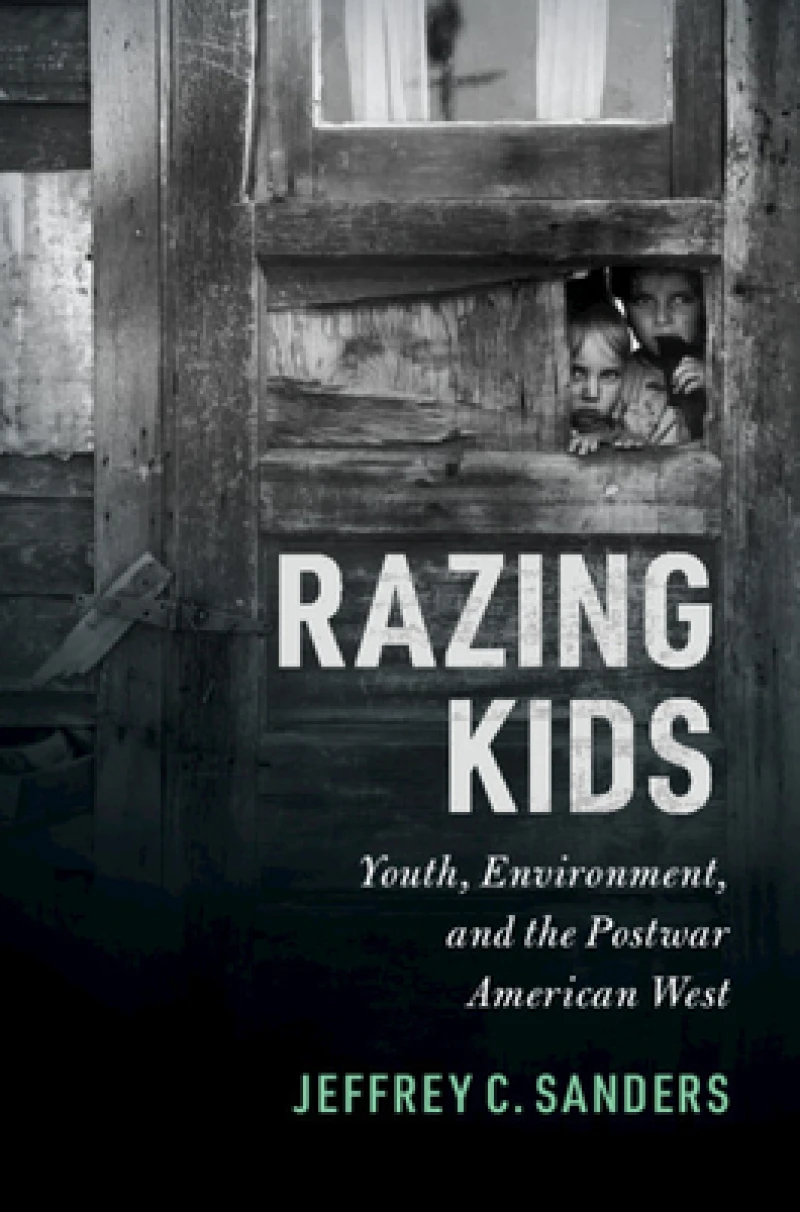
Razing Kids : Youth, Environment, and the Postwar American West
Book Details
Format
Paperback / Softback
ISBN-10
1107527546
ISBN-13
9781107527546
Publisher
Cambridge University Press
Imprint
Cambridge University Press
Country of Manufacture
US
Country of Publication
GB
Publication Date
Dec 10th, 2020
Print length
256 Pages
Weight
454 grams
Dimensions
15.20 x 22.90 x 2.40 cms
AI Summary
Ksh 5,150.00
Manufactured on Demand
0 in stock
Delivery Location
Delivery fee: Select location
Secure
Quality
Fast
Analyzing the linked histories of childhood, the West, and the environment after World War II, Razing Kids argues that in wartime mobilization, post-war defense, public health, anti-poverty programs, and environmental activism, adults consistently paired youth and environment with their visions of the social and environmental good.
Children are the future. Or so we like to tell ourselves. In the wake of the Second World War, Americans took this notion to heart. Confronted by both unprecedented risks and unprecedented opportunities, they elevated and perhaps exaggerated the significance of children for the survival of the human race. Razing Kids analyzes the relationship between the postwar demographic explosion and the birth of postwar ecology. In the American West, especially, workers, policymakers, and reformers interwove hopes for youth, environment, and the future. They linked their anxieties over children to their fears of environmental risk as they debated the architecture of wartime playgrounds, planned housing developments and the impact of radioactive particles released from distant hinterlands. They obsessed over how riot-riddled cities, War on Poverty era rural work camps and pesticide-laden agricultural valleys would affect children. Nervous about the world they were making, their hopes and fears reshaped postwar debates about what constituted the social and environmental good.
Get Razing Kids by at the best price and quality guaranteed only at Werezi Africa's largest book ecommerce store. The book was published by Cambridge University Press and it has pages.
Discover books you might love based on this title.