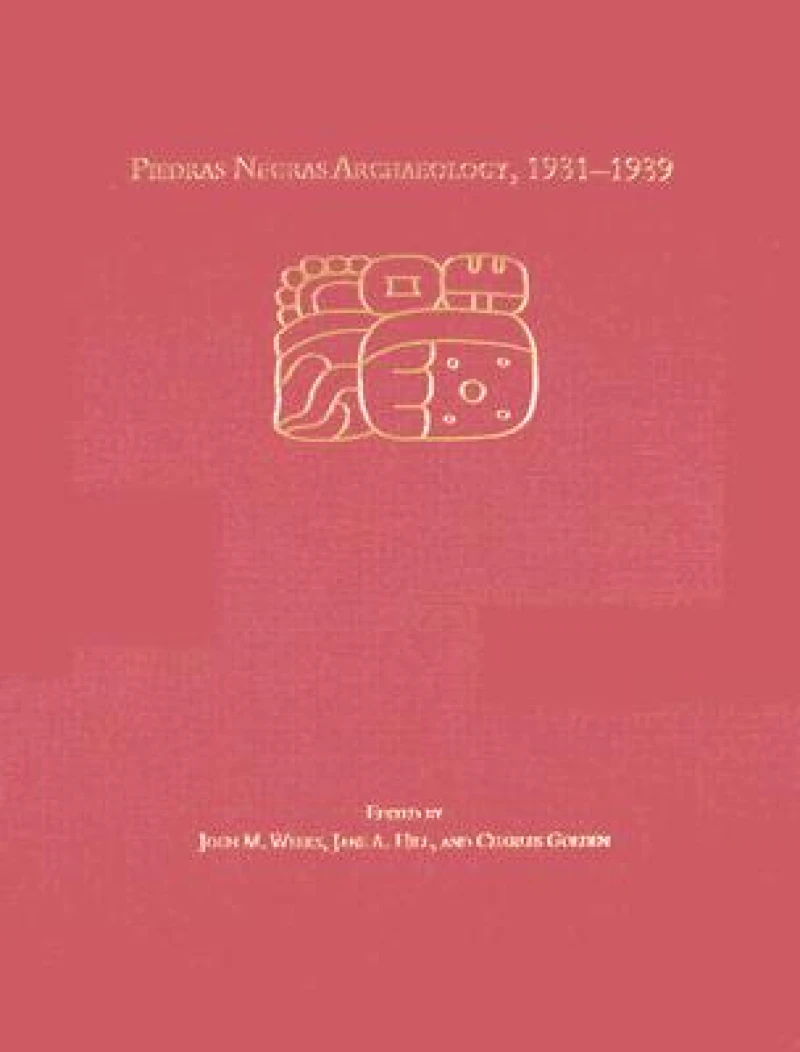
Piedras Negras Archaeology, 1931–1939
Book Details
AI Summary
Delivery Location
Delivery fee: Select location
Situated on the banks of the Usumacinta River in northwestern Guatemala, Piedras Negras is an important Maya site known for its carved monuments and panels. Between 1931 and 1938 the University Museum conducted research at Piedras Negras, excavating the site core, producing an excellent site map, and documenting architectural developments to an unprecedented standard. Project member Tatiana Proskouriakoff revolutionized Maya historiography with her architectural reconstructions and visionary synthesis of the position and dating of texts and monuments at the site. Innovative excavation methods included test pitting, probing in more modest structures, and the identification of new building types such as sweat baths. More importantly, the Piedras Negras project developed the logistical and methodological criteria that are now standard in the field. Fewer than a dozen copies of the preliminary papers were issued between 1933 and 1936; the later descriptive and interpretive essays of the architecture series have likewise become rare.
Piedras Negras Archaeology, 1931-1939 reintroduces to the scholarly community and public these pioneering works, meticulously scanned and edited from the fragile originals, with all the maps, tables, line art, and photographs from the initial reports, and an interpretive essay and index for modern readers.
University Museum Monograph, 122
Situated on the banks of the Usumacinta River in northwestern Guatemala, Piedras Negras is an important Maya site known for its carved monuments and panels. Between 1931 and 1938 the University Museum conducted research at Piedras Negras, excavating the site core, producing an excellent site map, and documenting architectural developments to an unprecedented standard. Project member Tatiana Proskouriakoff revolutionized Maya historiography with her architectural reconstructions and visionary synthesis of the position and dating of texts and monuments at the site. Innovative excavation methods included test pitting, probing in more modest structures, and the identification of new building types such as sweat baths. More importantly, the Piedras Negras project developed the logistical and methodological criteria that are now standard in the field. Fewer than a dozen copies of the preliminary papers were issued between 1933 and 1936; the later descriptive and interpretive essays of the architecture series have likewise become rare.
Piedras Negras Archaeology, 1931-1939 reintroduces to the scholarly community and public these pioneering works, meticulously scanned and edited from the fragile originals, with all the maps, tables, line art, and photographs from the initial reports, and an interpretive essay and index for modern readers.
University Museum Monograph, 122
Get Piedras Negras Archaeology, 1931–1939 by at the best price and quality guaranteed only at Werezi Africa's largest book ecommerce store. The book was published by University of Pennsylvania Press and it has pages.
Discover books you might love based on this title.