
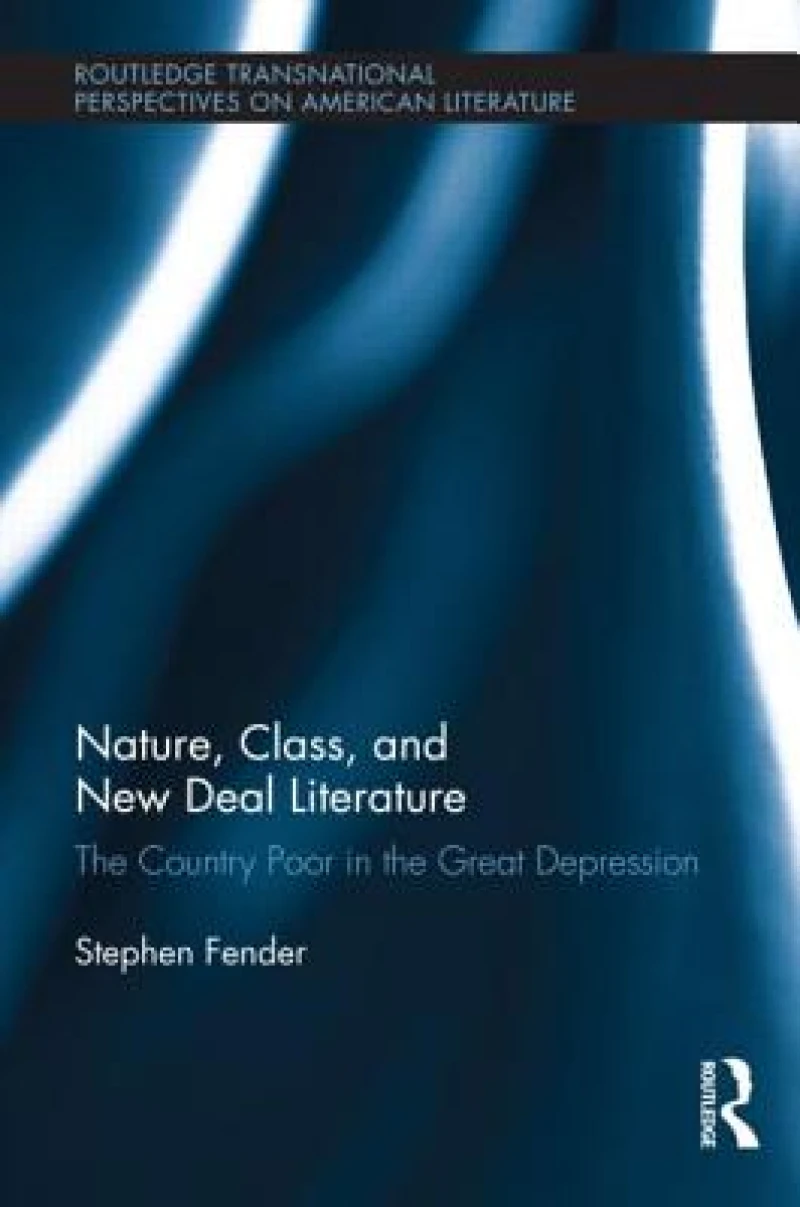
Nature, Class, and New Deal Literature : The Country Poor in the Great Depression
Book Details
AI Summary
Delivery Location
Delivery fee: Select location
Working through close rhetorical analysis of everything from fiction and journalism to documents and documentaries, this book looks at how popular memory favors the country Depression over the economic crisis in the nation’s cities and factories. Over eighty years after it happened, the Depression still lives on in iconic images of country poor whites – in the novels of John Steinbeck, the photographs of Dorothea Lange and Arthur Rothstein, the documentary films of Pare Lorenz and the thousands of share-croppers’ life histories as taken down by the workers of the Federal Writers’ Project.
Like the politicians and bureaucrats who accomplished the New Deal’s radical reforms in banking, social security and labor union law, the artists, novelists and other writers who supported or even worked for the New Deal were idealists, well to the left of center in their politics. Yet when it came to hard times on the American farm, something turned them into unwitting reactionaries. Though they brought these broken lives of the country poor to the notice and sympathy of the public, they also worked unconsciously to undermine their condition.
How and why? Fender shows how the answer lies in clues overlooked until now, hidden in their writing -- their journalism and novels, the "life histories" they ghost wrote for their poor white clients, the bureaucratic communications through which they administered these cultural programs, even in the documentary photographs and movies, with their insistent captions and voice-overs. This book is a study of literary examples from in and around the country Depression, and the myths on which they drew.
Working through close rhetorical analysis of everything from fiction and journalism to documents and documentaries, this book looks at how popular memory favors the country Depression over the economic crisis in the nation’s cities and factories. Over eighty years after it happened, the Depression still lives on in iconic images of country poor whites – in the novels of John Steinbeck, the photographs of Dorothea Lange and Arthur Rothstein, the documentary films of Pare Lorenz and the thousands of share-croppers’ life histories as taken down by the workers of the Federal Writers’ Project.
Like the politicians and bureaucrats who accomplished the New Deal’s radical reforms in banking, social security and labor union law, the artists, novelists and other writers who supported or even worked for the New Deal were idealists, well to the left of center in their politics. Yet when it came to hard times on the American farm, something turned them into unwitting reactionaries. Though they brought these broken lives of the country poor to the notice and sympathy of the public, they also worked unconsciously to undermine their condition.
How and why? Fender shows how the answer lies in clues overlooked until now, hidden in their writing -- their journalism and novels, the "life histories" they ghost wrote for their poor white clients, the bureaucratic communications through which they administered these cultural programs, even in the documentary photographs and movies, with their insistent captions and voice-overs. This book is a study of literary examples from in and around the country Depression, and the myths on which they drew.
Get Nature, Class, and New Deal Literature by at the best price and quality guaranteed only at Werezi Africa's largest book ecommerce store. The book was published by Taylor & Francis Ltd and it has pages.
Discover books you might love based on this title.
More in This Genre

Writing the Past in Twenty-First-Century American Fiction
Ksh 3,800.00
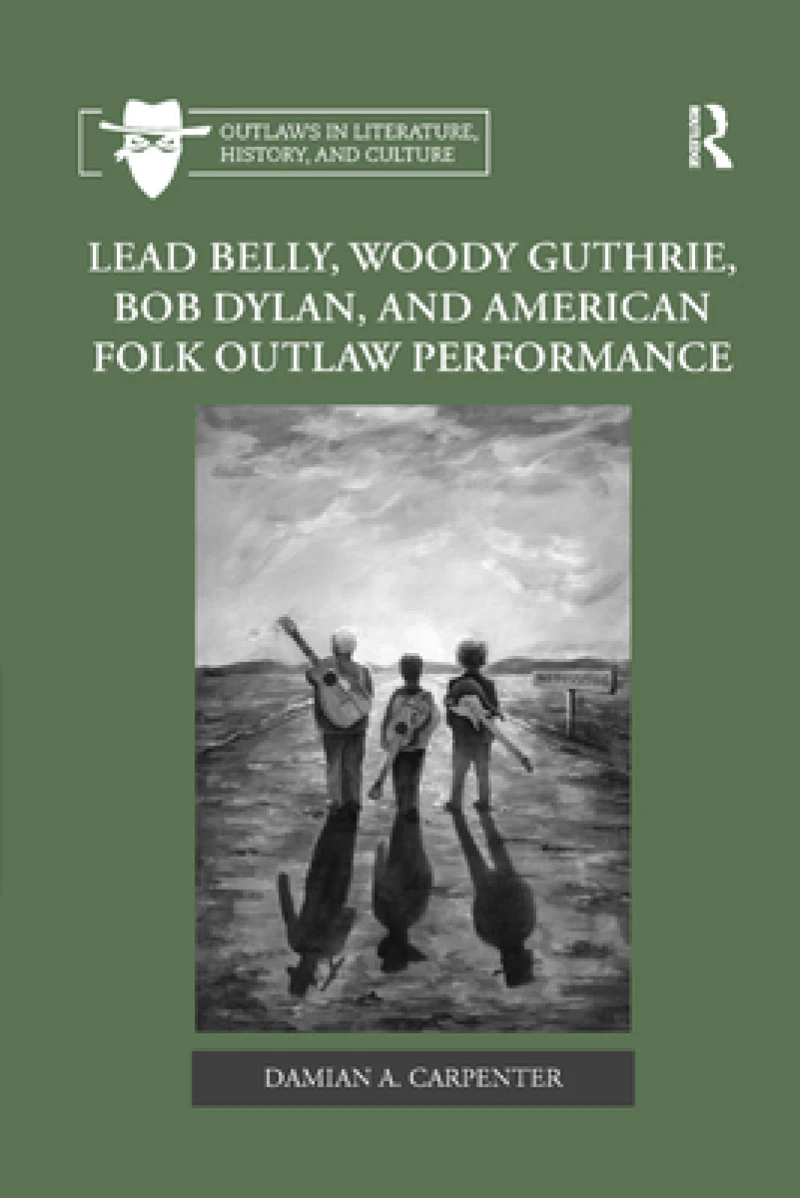
Lead Belly, Woody Guthrie, Bob Dylan, and American Folk Outlaw Performance
Ksh 8,300.00

The Sociocultural Functions of Edwardian Book Inscriptions
Ksh 30,600.00
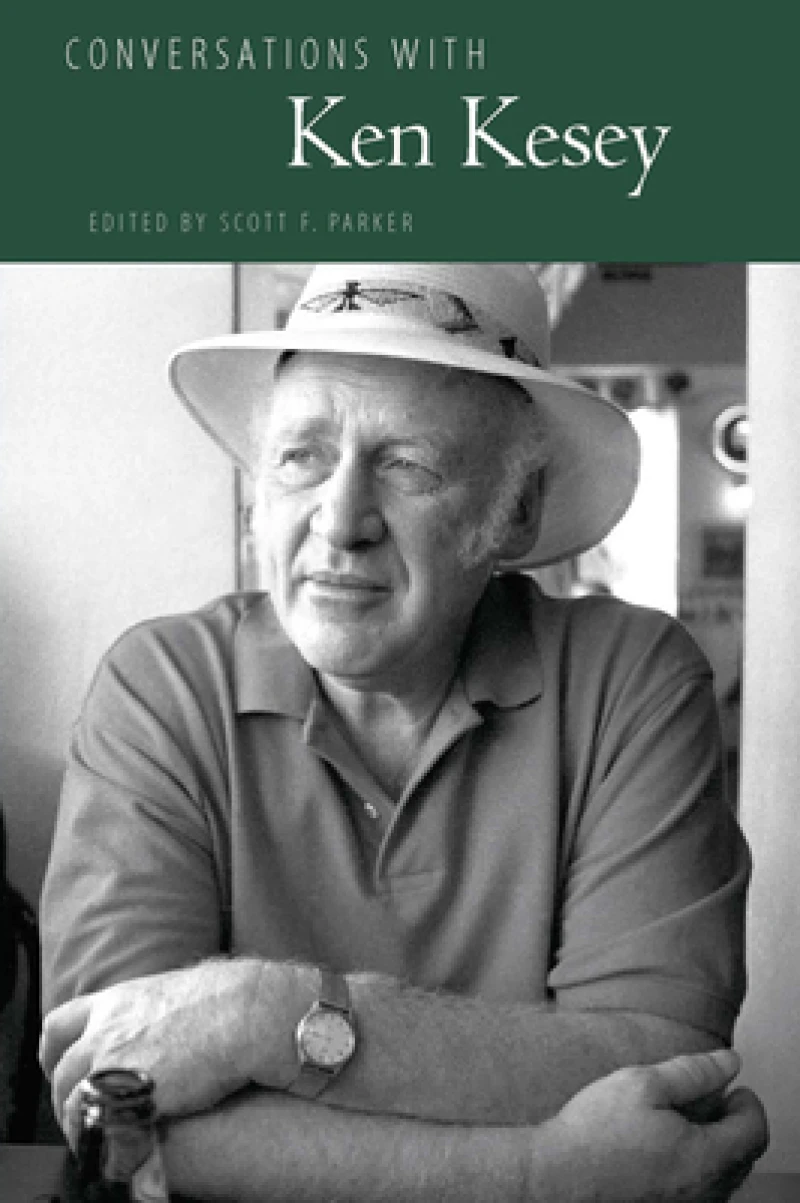
Conversations with Ken Kesey
Ksh 15,850.00

Au seuil de la modernite: Proust, Literature and the Arts
Ksh 9,950.00
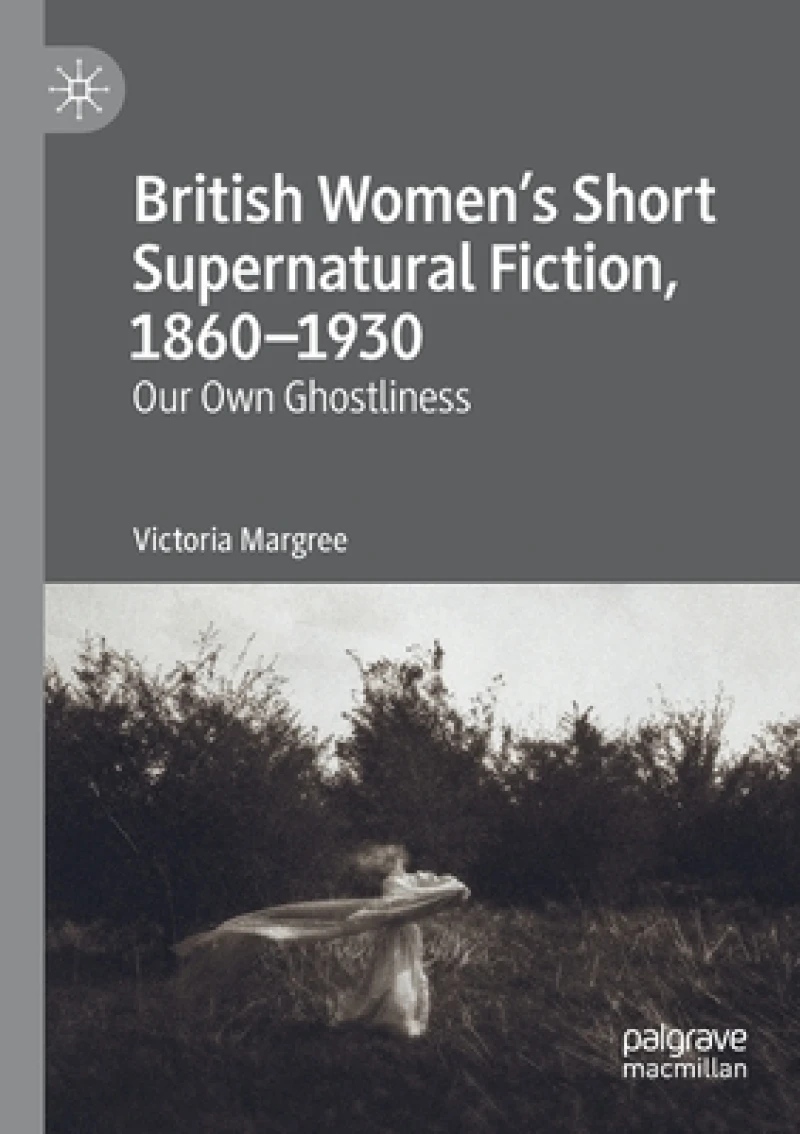
British Women’s Short Supernatural Fiction, 1860–1930
Ksh 12,600.00
