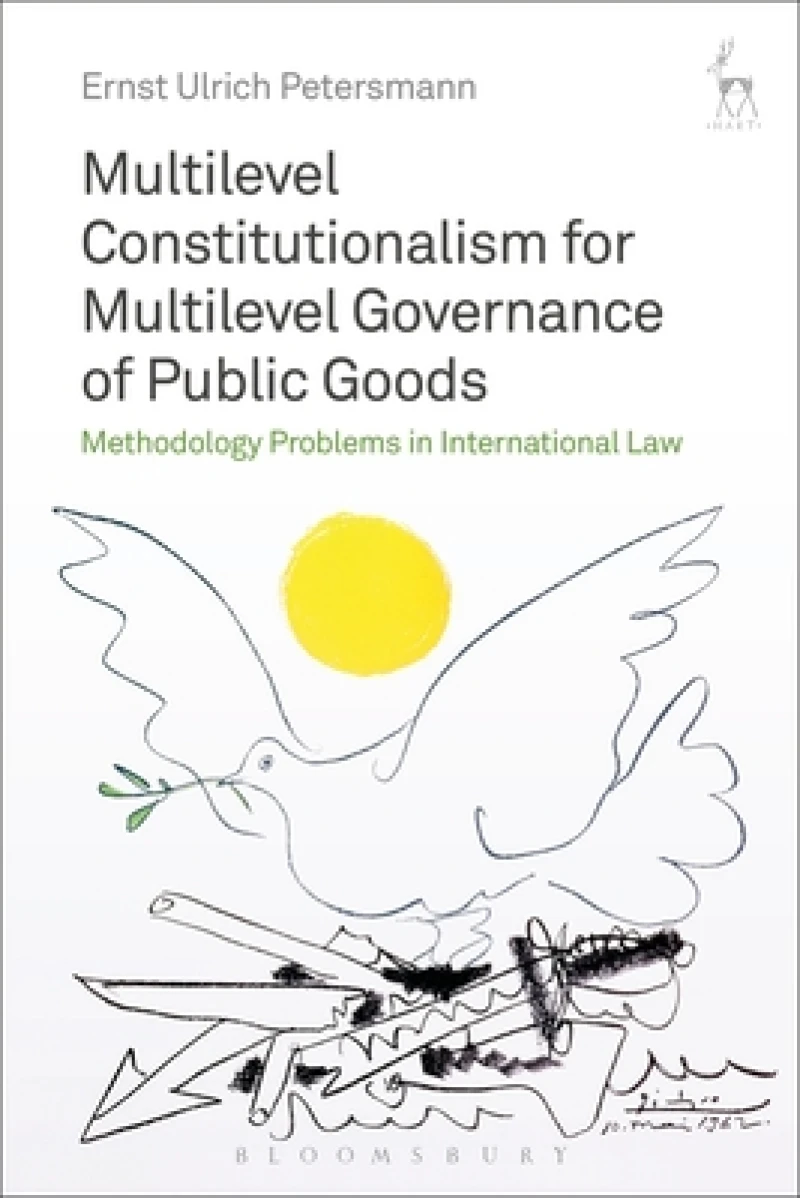
Multilevel Constitutionalism for Multilevel Governance of Public Goods : Methodology Problems in International Law
Book Details
Format
Hardback or Cased Book
ISBN-10
1509909125
ISBN-13
9781509909124
Publisher
Bloomsbury Publishing PLC
Imprint
Hart Publishing
Country of Manufacture
GB
Country of Publication
GB
Publication Date
Jan 12th, 2017
Print length
416 Pages
Weight
792 grams
Dimensions
16.70 x 24.20 x 3.00 cms
Product Classification:
Jurisprudence & philosophy of lawPublic international law
AI Summary
Ksh 21,650.00
Manufactured on Demand
Delivery in 14 days
3 copies in stock
Delivery Location
Delivery fee: Select location
Delivery in 14 days
Secure
Quality
Fast
This is the first legal monograph analysing multilevel governance of global ‘aggregate public goods’ (PGs) from the perspective of democractic, republican and cosmopolitan constitutionalism by using historical, legal, political and economic methods. It explains the need for a ‘new philosophy of international law’ in order to protect human rights and PGs more effectively and more legitimately. 'Constitutional approaches’ are justified by the universal recognition of human rights and by the need to protect ‘human rights’, ‘rule of law’, ‘democracy’ and other ‘principles of justice’ that are used in national, regional and UN legal systems as indeterminate legal concepts. The study describes and criticizes the legal methodology problems of ‘disconnected’ governance in UN, GATT and WTO institutions as well as in certain areas of the external relations of the EU (like transatlantic free trade agreements). Based on 40 years of practical experiences of the author in German, European, UN, GATT and WTO governance institutions and of simultaneous academic teaching, this study develops five propositions for constituting, limiting, regulating and justifying multilevel governance for the benefit of citizens and their constitutional rights as ‘constituent powers’, ‘democratic principals’ and main ‘republican actors’, who must hold multilevel governance institutions and their limited ‘constituted powers’ legally, democratically and judicially more accountable.
This is the first legal monograph analysing multilevel governance of global ‘aggregate public goods’ (PGs) from the perspective of democractic, republican and cosmopolitan constitutionalism by using historical, legal, political and economic methods. It explains the need for a ‘new philosophy of international law’ in order to protect human rights and PGs more effectively and more legitimately. ''Constitutional approaches’ are justified by the universal recognition of human rights and by the need to protect ‘human rights’, ‘rule of law’, ‘democracy’ and other ‘principles of justice’ that are used in national, regional and UN legal systems as indeterminate legal concepts. The study describes and criticizes the legal methodology problems of ‘disconnected’ governance in UN, GATT and WTO institutions as well as in certain areas of the external relations of the EU (like transatlantic free trade agreements). Based on 40 years of practical experiences of the author in German, European, UN, GATT and WTO governance institutions and of simultaneous academic teaching, this study develops five propositions for constituting, limiting, regulating and justifying multilevel governance for the benefit of citizens and their constitutional rights as ‘constituent powers’, ‘democratic principals’ and main ‘republican actors’, who must hold multilevel governance institutions and their limited ‘constituted powers’ legally, democratically and judicially more accountable.
Get Multilevel Constitutionalism for Multilevel Governance of Public Goods by at the best price and quality guaranteed only at Werezi Africa's largest book ecommerce store. The book was published by Bloomsbury Publishing PLC and it has pages.
Discover books you might love based on this title.