
Landscapes of Movement – Trails, Paths, and Roads in Anthropological Perspective
Book Details
AI Summary
Delivery Location
Delivery fee: Select location
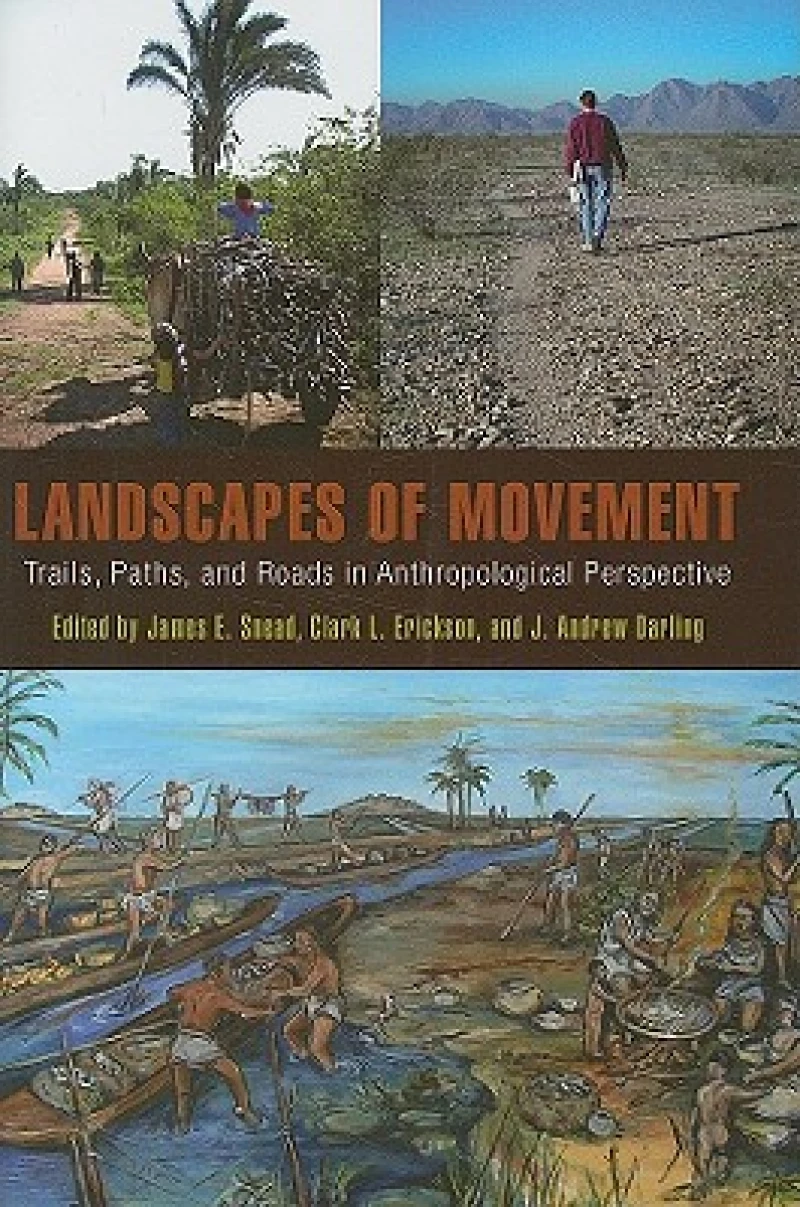
Landscapes of Movement originates from the premise that trails, paths, and roads are the physical manifestation of human movement through the landscape and are central to an understanding of that movement. The study of these features connects with many intellectual domains, engaging history, geography, environmental studies, and, in particular, anthropology and archaeology. These diverse fields together provide not only a better understanding of infrastructure but also of social, political, and economic organization, cultural expressions of patterned movement, and the ways in which trails, paths, and roads reflect a culture''s traditional knowledge, worldview, memory, and identity.
The contributors to Landscapes of Movement document these routes across different times and cultures, from those made by hunter-gatherers in the Great Basin of North America to causeways in the Bolivian Amazon to Bronze Age towns in the Near East, examined through aerial and satellite photography, surface survey, historic records, and archaeological excavation. The essays consider many factors in the development and use of trails, paths, and roads, including labor, technology, terrain characteristics, landscape features, access, and ownership. Diverse scales of movement are also addressed, ranging from paths between home and fields to roads used for long-distance journeying. Overall, the book makes the case for the centrality of paths, trails, and roads as an organizing element of human lives throughout history.
PMIRC, volume 1
Landscapes of Movement originates from the premise that trails, paths, and roads are the physical manifestation of human movement through the landscape and are central to an understanding of that movement. The study of these features connects with many intellectual domains, engaging history, geography, environmental studies, and, in particular, anthropology and archaeology. These diverse fields together provide not only a better understanding of infrastructure but also of social, political, and economic organization, cultural expressions of patterned movement, and the ways in which trails, paths, and roads reflect a culture''s traditional knowledge, worldview, memory, and identity.
The contributors to Landscapes of Movement document these routes across different times and cultures, from those made by hunter-gatherers in the Great Basin of North America to causeways in the Bolivian Amazon to Bronze Age towns in the Near East, examined through aerial and satellite photography, surface survey, historic records, and archaeological excavation. The essays consider many factors in the development and use of trails, paths, and roads, including labor, technology, terrain characteristics, landscape features, access, and ownership. Diverse scales of movement are also addressed, ranging from paths between home and fields to roads used for long-distance journeying. Overall, the book makes the case for the centrality of paths, trails, and roads as an organizing element of human lives throughout history.
PMIRC, volume 1
Get Landscapes of Movement – Trails, Paths, and Roads in Anthropological Perspective by at the best price and quality guaranteed only at Werezi Africa's largest book ecommerce store. The book was published by University of Pennsylvania Press and it has pages.
Discover books you might love based on this title.