

Justice in the Marketplace in Early Modern Spain : Saravia, Villalon and the Religious Origins of Economic Analysis
Book Details
Format
Hardback or Cased Book
ISBN-10
0739181289
ISBN-13
9780739181287
Publisher
Bloomsbury Publishing Plc
Imprint
Lexington Books
Country of Manufacture
GB
Country of Publication
GB
Publication Date
Jun 17th, 2014
Print length
308 Pages
Weight
618 grams
Dimensions
23.60 x 15.20 x 2.50 cms
Product Classification:
European historyModern history to 20th century: c 1700 to c 1900Economic theory & philosophy
AI Summary
Ksh 26,950.00
Manufactured on Demand
0 in stock
Delivery Location
Delivery fee: Select location
Secure
Quality
Fast
Justice in the Marketplace in Early Modern Spain examines two late scholastic economic treatises, the Provechoso tratado de cambios of Cristóbal de Villalón (1542) and the Instrución de mercaderes of Saravia de la Calle (1544). It does this in the context of the two principal questions that economic historians pose concerning the economic literature of the Spanish late scholastics in general. Is there a clear link between this literature and modern economic science, and does it manifest a free market orientation? Michael D’Emic draws two conclusions. First, there is a palpable relationship between the work of these two authors and modern economic analysis, particularly that of financial economics. Second, the authors fundamentally disagreed on most questions, mostly concerning the justice of the free market. Villalón condemns the workings of the market and refuses to allow any possibility that the profit motive may be morally neutral. With considerable clarity, he articulates a cost of production theory of value and advocates a system of prices based upon labor and cost and administered by civil authority. Saravia counters with an elegant expression of the utility theory of value and argues with logical force that prices established by the workings of the market are fundamentally just. He allows considerable moral latitude to the pursuit of profit, which he regards as spiritually dangerous but not necessarily evil. Through the lens of their opposing views on economic value, the market price, and what does or does not constitute the sin of ‘usury,’ the authors, with astonishing technical acumen, observe, analyze, and pass moral judgment on a remarkably wide range of complex transactions, most of which have counterparts in twenty-first century financial markets. In the process, they tackle problems that still bedevil economists and accountants in our own day, such as the difference between a sale and a borrowing, the ‘just’ value of future income flows, and the presence of asymmetrical information in pricing. The result is a vivid record of the color and texture of early modern economic life that reveals a surprising degree of financial sophistication that the present book makes accessible to the modern reader.
Justice in the Marketplace in Early Modern Spain examines two late scholastic economic treatises, the Provechoso tratado de cambios of Cristóbal de Villalón (1542) and the Instrución de mercaderes of Saravia de la Calle (1544). It does this in the context of the two principal questions that economic historians pose concerning the economic literature of the Spanish late scholastics in general. Is there a clear link between this literature and modern economic science, and does it manifest a free market orientation? Michael D’Emic draws two conclusions. First, there is a palpable relationship between the work of these two authors and modern economic analysis, particularly that of financial economics. Second, the authors fundamentally disagreed on most questions, mostly concerning the justice of the free market. Villalón condemns the workings of the market and refuses to allow any possibility that the profit motive may be morally neutral. With considerable clarity, he articulates a cost of production theory of value and advocates a system of prices based upon labor and cost and administered by civil authority. Saravia counters with an elegant expression of the utility theory of value and argues with logical force that prices established by the workings of the market are fundamentally just. He allows considerable moral latitude to the pursuit of profit, which he regards as spiritually dangerous but not necessarily evil. Through the lens of their opposing views on economic value, the market price, and what does or does not constitute the sin of ‘usury,’ the authors, with astonishing technical acumen, observe, analyze, and pass moral judgment on a remarkably wide range of complex transactions, most of which have counterparts in twenty-first century financial markets. In the process, they tackle problems that still bedevil economists and accountants in our own day, such as the difference between a sale and a borrowing, the ‘just’ value of future income flows, and the presence of asymmetrical information in pricing. The result is a vivid record of the color and texture of early modern economic life that reveals a surprising degree of financial sophistication that the present book makes accessible to the modern reader.
Get Justice in the Marketplace in Early Modern Spain by at the best price and quality guaranteed only at Werezi Africa's largest book ecommerce store. The book was published by Bloomsbury Publishing Plc and it has pages.
Discover books you might love based on this title.
More in This Genre

States and Nationalism in Europe since 1945
Ksh 27,000.00
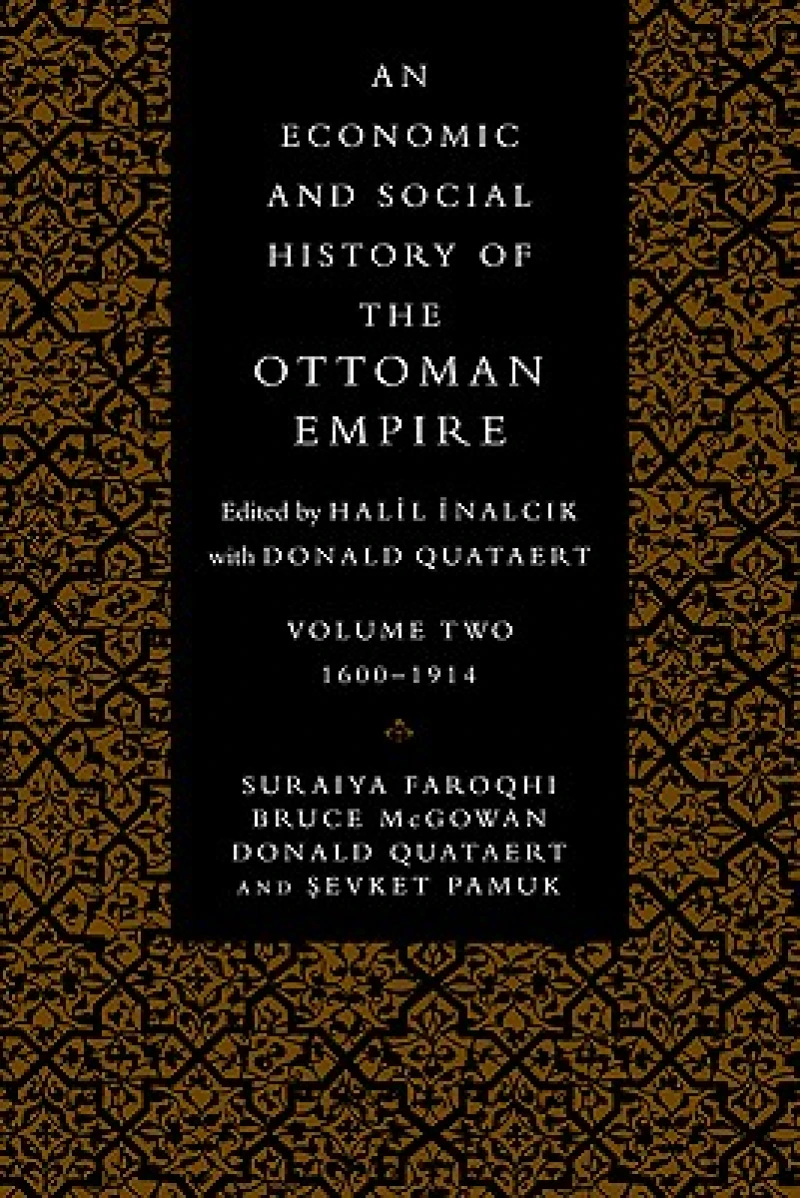
An Economic and Social History of the Ottoman Empire
Ksh 10,950.00

Masculinity and Dress in Roman Antiquity
Ksh 8,300.00

In the Words of Women
Ksh 11,150.00

Power and Subversion in Byzantium
Ksh 28,800.00

Inventing the Victorians
Ksh 2,350.00
