

Identity : The Demand for Dignity and the Politics of Resentment
Book Details
AI Summary
Delivery Location
Delivery fee: Select location
Delivery in 14 days
The New York Times bestselling author of The Origins of Political Order offers a provocative examination of modern identity politics: its origins, its effects, and what it means for domestic and international affairs of state
In 2014, Francis Fukuyama wrote that American institutions were in decay, as the state was progressively captured by powerful interest groups. Two years later, his predictions were borne out by the rise to power of a series of political outsiders whose economic nationalism and authoritarian tendencies threatened to destabilize the entire international order. These populist nationalists seek direct charismatic connection to "the people," who are usually defined in narrow identity terms that offer an irresistible call to an in-group and exclude large parts of the population as a whole.
Demand for recognition of one's identity is a master concept that unifies much of what is going on in world politics today. The universal recognition on which liberal democracy is based has been increasingly challenged by narrower forms of recognition based on nation, religion, sect, race, ethnicity, or gender, which have resulted in anti-immigrant populism, the upsurge of politicized Islam, the fractious "identity liberalism" of college campuses, and the emergence of white nationalism. Populist nationalism, said to be rooted in economic motivation, actually springs from the demand for recognition and therefore cannot simply be satisfied by economic means. The demand for identity cannot be transcended; we must begin to shape identity in a way that supports rather than undermines democracy.
Identity is an urgent and necessary book-a sharp warning that unless we forge a universal understanding of human dignity, we will doom ourselves to continuing conflict.
The New York Times bestselling author of The Origins of Political Order offers a provocative examination of modern identity politics: its origins, its effects, and what it means for domestic and international affairs of state
In 2014, Francis Fukuyama wrote that American institutions were in decay, as the state was progressively captured by powerful interest groups. Two years later, his predictions were borne out by the rise to power of a series of political outsiders whose economic nationalism and authoritarian tendencies threatened to destabilize the entire international order. These populist nationalists seek direct charismatic connection to “the people,” who are usually defined in narrow identity terms that offer an irresistible call to an in-group and exclude large parts of the population as a whole.
Demand for recognition of one’s identity is a master concept that unifies much of what is going on in world politics today. The universal recognition on which liberal democracy is based has been increasingly challenged by narrower forms of recognition based on nation, religion, sect, race, ethnicity, or gender, which have resulted in anti-immigrant populism, the upsurge of politicized Islam, the fractious “identity liberalism” of college campuses, and the emergence of white nationalism. Populist nationalism, said to be rooted in economic motivation, actually springs from the demand for recognition and therefore cannot simply be satisfied by economic means. The demand for identity cannot be transcended; we must begin to shape identity in a way that supports rather than undermines democracy.
Identity is an urgent and necessary book—a sharp warning that unless we forge a universal understanding of human dignity, we will doom ourselves to continuing conflict.
Get Identity by at the best price and quality guaranteed only at Werezi Africa's largest book ecommerce store. The book was published by Picador and it has pages.
Discover books you might love based on this title.
More in This Genre

Hospitality, Volume II
Ksh 6,500.00

Die auenpolitischen Beziehungen der Bundesrepublik Deutschland zu den arabischen Staaten von 1949 - 1980
Ksh 6,800.00
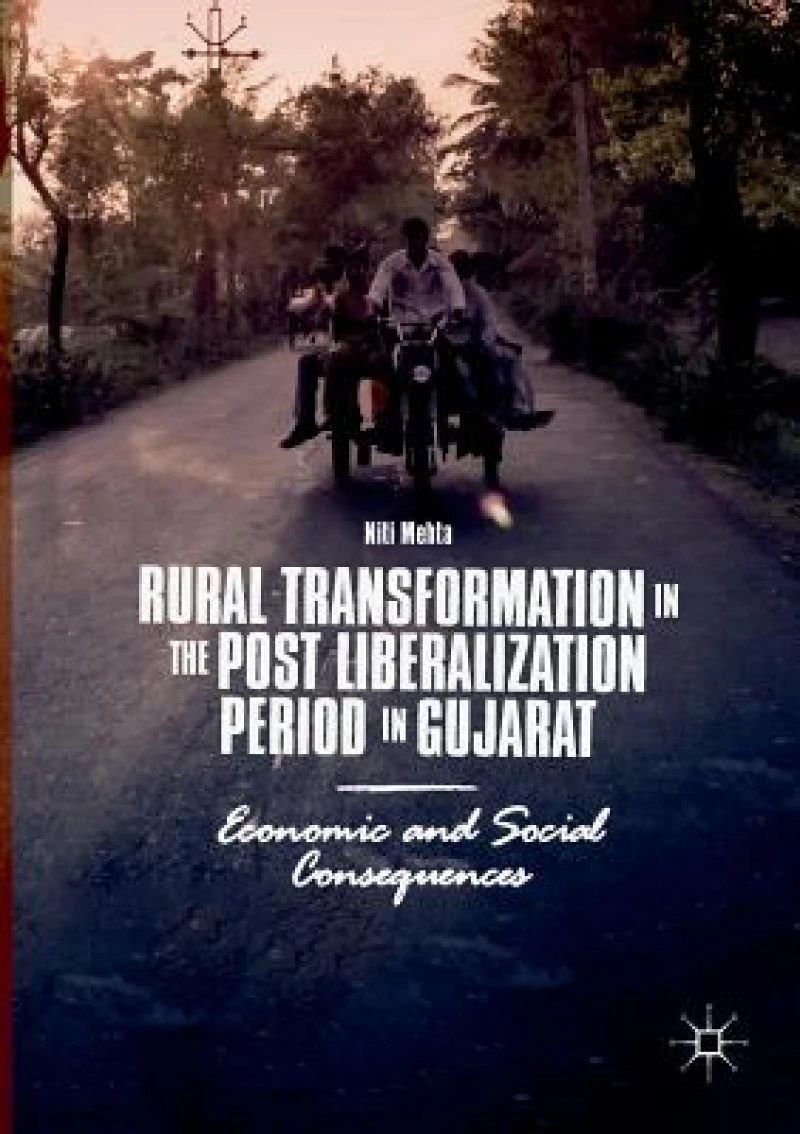
Rural Transformation in the Post Liberalization Period in Gujarat
Ksh 18,000.00

How Black Was My Valley
Ksh 3,050.00

La hierarchie des conspirateurs
Ksh 4,600.00

Multinational Democracies
Ksh 7,300.00
