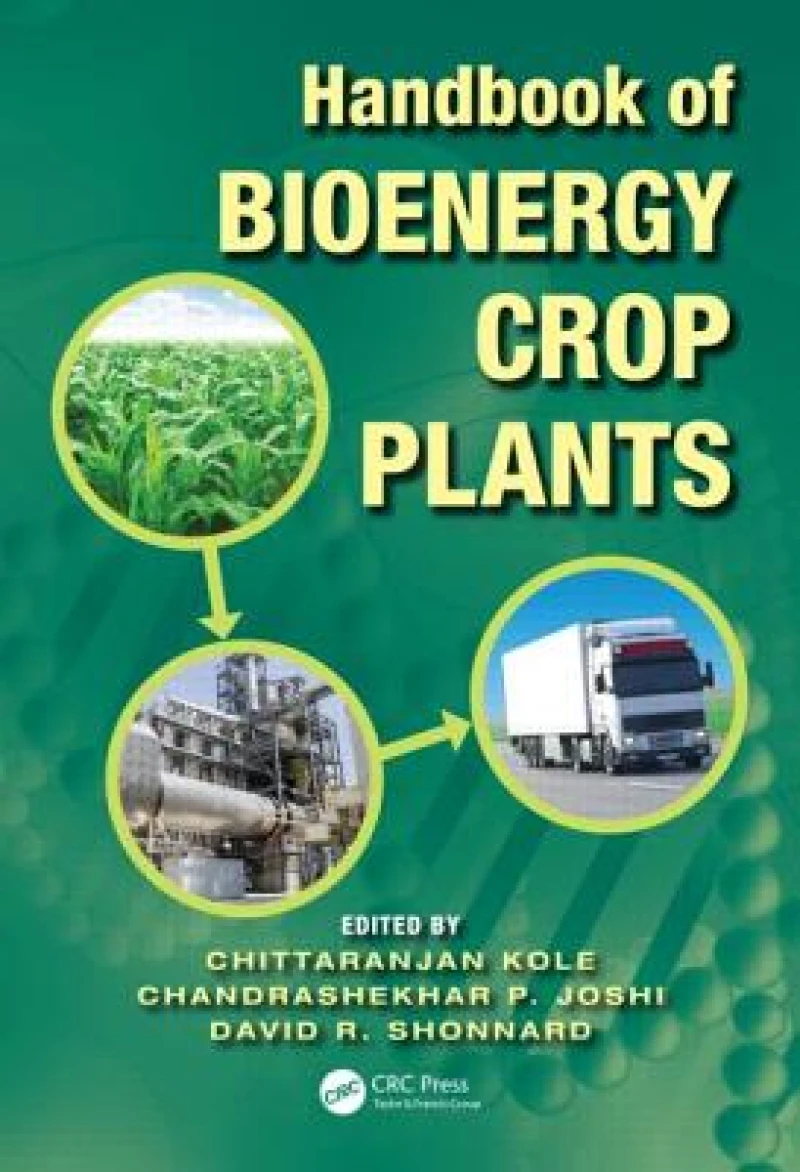
Handbook of Bioenergy Crop Plants
Book Details
AI Summary
Delivery Location
Delivery fee: Select location
Devastating fossil fuel shortages loom in the future unless more renewable alternatives to energy are developed. This volume surveys the possibilities and challenges involved in biofuel production. The book explores the genetic improvement of bioenergy crops, ecological issues and biodiversity, feedstock logistics and enzymatic cell wall degradation to produce biofuels, and process technologies of liquid transportation fuels production. It also reviews international standards for fuel quality, issues related to biofuel-powered engines, life-cycle environmental impacts of biofuels compared with fossil fuels, and social concerns. The final sections profile a range of crops.
As the worlds population is projected to reach 10 billion or more by 2100, devastating fossil fuel shortages loom in the future unless more renewable alternatives to energy are developed. Bioenergy, in the form of cellulosic biomass, starch, sugar, and oils from crop plants, has emerged as one of the cheaper, cleaner, and environmentally sustainable alternatives to traditional forms of energy. Handbook of Bioenergy Crop Plants brings together the work of a panel of global experts who survey the possibilities and challenges involved in biofuel production in the twenty-first century.
Section One
explores the genetic improvement of bioenergy crops, ecological issues and biodiversity, feedstock logistics and enzymatic cell wall degradation to produce biofuels, and process technologies of liquid transportation fuels production. It also reviews international standards for fuel quality, unique issues of biofuel-powered engines, life-cycle environmental impacts of biofuels compared with fossil fuels, and social concerns.
Section Two
examines commercialized bioenergy crops, including cassava, Jatropha, forest trees, maize, oil palm, oilseed Brassicas,sorghum, soybean, sugarcane, and switchgrass.
Section Three
profiles emerging crops such as Brachypodium, diesel trees, minor oilseeds, lower plants, Paulownia,shrub willow, sugarbeet, sunflower, and sweet potato. It also discusses unconventional biomass resources such as vegetable oils, organic waste, and municipal sludge.
Highlighting the special requirements, major achievements, and unresolved concerns in bioenergy production from crop plants, the book is destined to lead to future discoveries related to the use of plants for bioenergy production. It will assist in developing innovative ways of ameliorating energy problems on the horizon.
Get Handbook of Bioenergy Crop Plants by at the best price and quality guaranteed only at Werezi Africa's largest book ecommerce store. The book was published by Taylor & Francis Inc and it has pages.
Discover books you might love based on this title.