
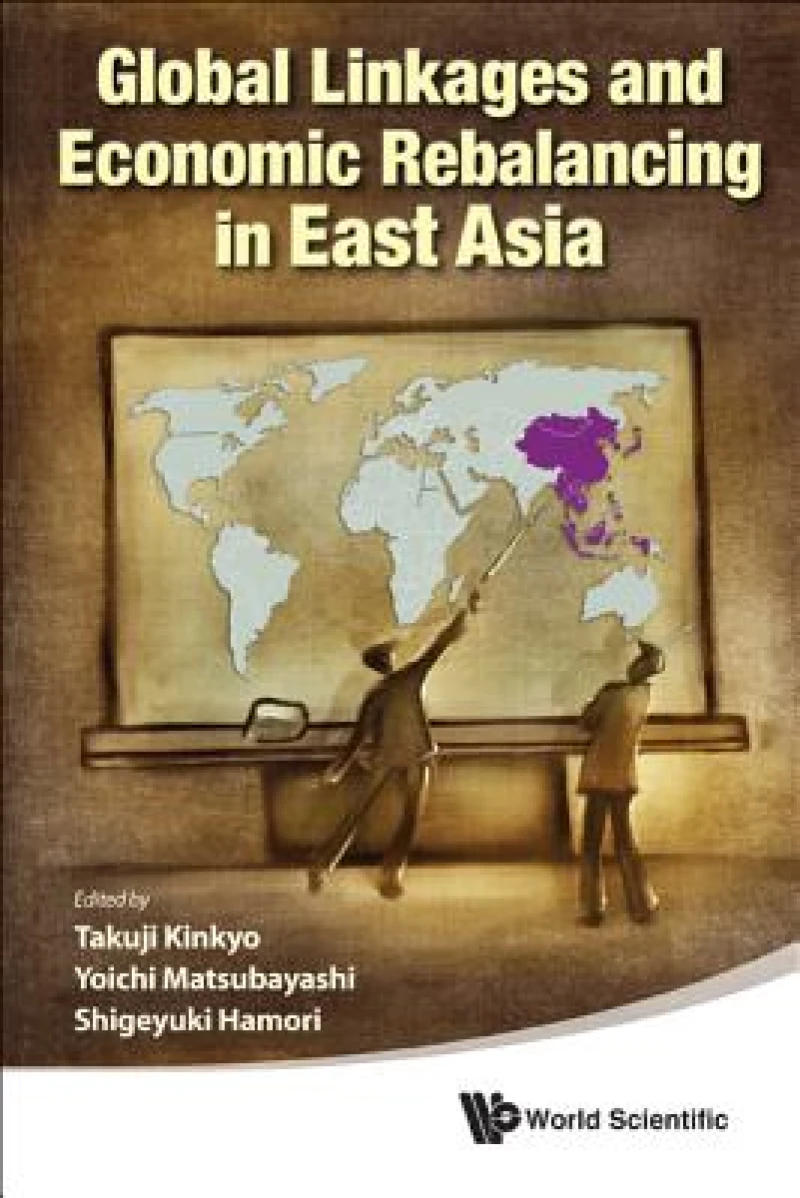
Global Linkages And Economic Rebalancing In East Asia
Book Details
AI Summary
Delivery Location
Delivery fee: Select location
In the wake of the global financial crisis, leading industrialized countries have managed to show only a gradual recovery, while East Asian economies have surged ahead. In particular, China achieved growth in excess of 10% in 2010 and is expected to continue growing at a rapid pace. It appears that in the coming years, East Asia will play an even greater role as a growth center leading global economic expansion. Following the Asian currency crisis of 1997–98, consumption and investment in the region decreased considerably, and East Asian economies recovered on the strength of exports. Presently, however, amid a less-than-robust recovery in the US and Europe, the sustainability of East Asia's reliance on export-led growth has been called into question. The region's transition to growth based on a balance of foreign and domestic demand is important for both building a stronger foundation for sustainable growth and buttressing global economic expansion. Moreover, the rebalancing of demand in East Asia holds the key to rectifying global current account imbalances — the disadvantage of uneven international capital flows. This unique volume illuminates policy issues involved in the efforts to promote the rebalancing of demand in East Asia.
Get Global Linkages And Economic Rebalancing In East Asia by at the best price and quality guaranteed only at Werezi Africa's largest book ecommerce store. The book was published by World Scientific Publishing Co Pte Ltd and it has pages.
Discover books you might love based on this title.
More in This Genre

Climate Change Adaptation Framework and Youth Entrepreneurship in West Africa
Ksh 19,800.00

Developing the Third World
Ksh 20,900.00
Social Capital and Economic Development
Ksh 30,300.00
The Spread of Financial Sophistication Through Emerging Markets Worldwide
Ksh 15,850.00

Third World Quarterly Reader
Ksh 17,100.00
Exportorientierte Industrialisierung und Arbeitsrechtspolitik in der Spaetphase des Marcos-Regimes
Ksh 7,550.00
