
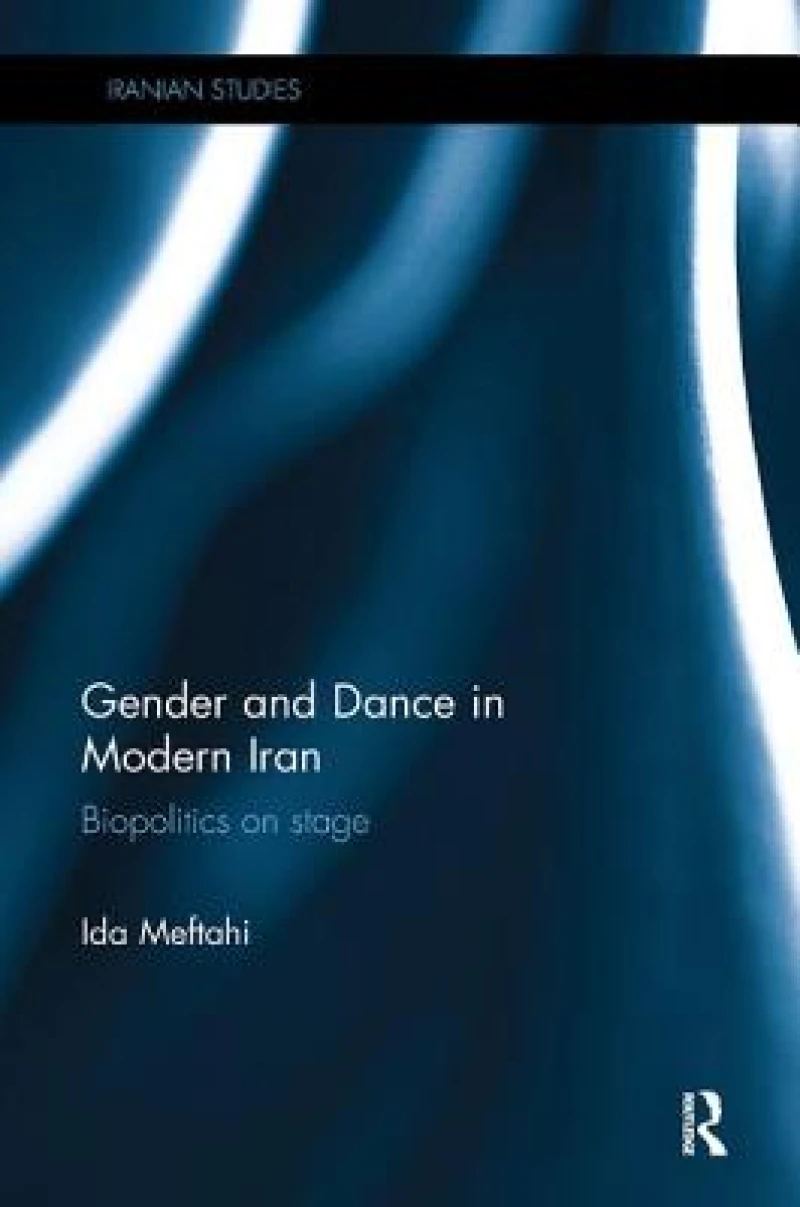
Gender and Dance in Modern Iran : Biopolitics on stage
Book Details
AI Summary
Delivery Location
Delivery fee: Select location
Focusing on the transformation of the staged dancing body, its space of performance, and spectatorial cultural ideology, this book traces the dancing body in multiple milieus of performance, including the Pahlavi era’s national artistic scene and the popular café and cabaret stages, as well as the commercial cinematic screen and the post-revolutionary Islamized theatrical stage. It links the socio-political discourses on performance with the staged public dancer, in order to interrogate the formation of dominant categories of "modern," "high," and "artistic," and the subsequent "othering" of cultural realms that were discursively peripheralized from the "national" stage. Through the study of archival and ethnographic research as well as a diverse literature pertaining to music, theater, cinema, and popular culture, it combines a close reading of primary sources such as official documents, press materials, and program notes with visual analysis of filmic materials and imageries, as well as interviews with practitioners. It offers an original and informed exploration into the ways performing bodies and their public have been associated with binary notions of vice and virtue, morality and immorality, commitment and degeneration, chastity and eroticism, and veiled-ness and nakedness.
Focusing on the transformation of the staged dancing body, its space of performance, and spectatorial cultural ideology, this book traces the dancing body in multiple milieus of performance, including the Pahlavi era’s national artistic scene and the popular café and cabaret stages, as well as the commercial cinematic screen and the post-revolutionary Islamized theatrical stage. It links the socio-political discourses on performance with the staged public dancer, in order to interrogate the formation of dominant categories of "modern," "high," and "artistic," and the subsequent "othering" of cultural realms that were discursively peripheralized from the "national" stage. Through the study of archival and ethnographic research as well as a diverse literature pertaining to music, theater, cinema, and popular culture, it combines a close reading of primary sources such as official documents, press materials, and program notes with visual analysis of filmic materials and imageries, as well as interviews with practitioners. It offers an original and informed exploration into the ways performing bodies and their public have been associated with binary notions of vice and virtue, morality and immorality, commitment and degeneration, chastity and eroticism, and veiled-ness and nakedness.
Engaging with a range of methodological and historiographical methods, including postcolonial, performance, and feminist studies, this book is a valuable resource for students and scholars of Middle East history and Iranian studies, as well as gender studies and dance and performance studies.
Get Gender and Dance in Modern Iran by at the best price and quality guaranteed only at Werezi Africa's largest book ecommerce store. The book was published by Taylor & Francis Inc and it has pages.
Discover books you might love based on this title.
More in This Genre
The International Relations of Japan and South East Asia
Ksh 29,700.00
The Reproductive Bargain: Deciphering The Enigma Of Japanese Capitalism
Ksh 4,500.00

Women, Religion, and the State in Contemporary Turkey
Ksh 6,200.00

Women in Soft Computing
Ksh 10,800.00
Threshold Concepts in Women’s and Gender Studies
Ksh 30,600.00

Ibn al-Haytham, New Astronomy and Spherical Geometry
Ksh 10,200.00
