
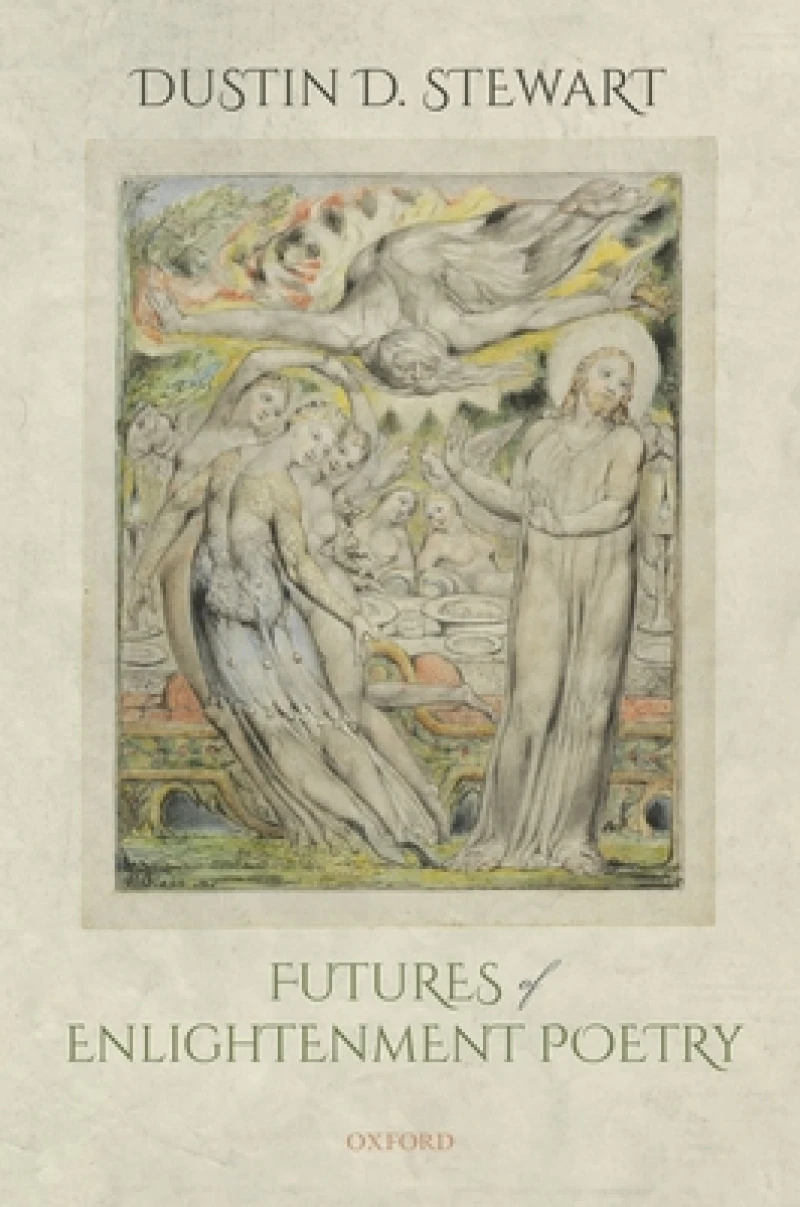
Futures of Enlightenment Poetry
Book Details
Format
Hardback or Cased Book
ISBN-10
0198857799
ISBN-13
9780198857792
Publisher
Oxford University Press
Imprint
Oxford University Press
Country of Manufacture
GB
Country of Publication
GB
Publication Date
Oct 29th, 2020
Print length
318 Pages
Weight
640 grams
Dimensions
24.00 x 16.10 x 2.20 cms
Product Classification:
Literary studies: c 1500 to c 1800Literary studies: poetry & poets
AI Summary
Ksh 20,050.00
Manufactured on Demand
0 in stock
Delivery Location
Delivery fee: Select location
Secure
Quality
Fast
Explores the creative work of writers and theologians who used their poetic writings as a means to explore and envisage scenarios of embodiment and existence that extended to life after bodily death.
This book offers a revisionist account of poetry and embodiment from Milton to Romanticism. Scholars have made much of the period''s theories of matter, with some studies equating the eighteenth century''s modernity with its materialism. Yet the Enlightenment in Britain also brought bold new arguments for the immateriality of spirit and evocative claims about an imminent spirit realm. Protestant religious writing was of two minds about futurity, swinging back and forth between patience for the resurrected body and desire for the released soul. This ancient pattern carried over, the book argues, into understandings of poetry as a modern devotional practice. A range of authors agreed that poems can provide a foretaste of the afterlife, but they disagreed about what kind of future state the imagination should seek. The mortalist impulse--exemplified by John Milton and by Romantic poets Anna Letitia Barbauld and William Wordsworth--is to overcome the temptation of disembodiment and to restore spirit to its rightful home in matter. The spiritualist impulse--driving eighteenth-century verse by Mark Akenside, Elizabeth Singer Rowe, and Edward Young--is to break out of bodily repetition and enjoy the detached soul''s freedom in advance. Although the study isolates these two tendencies, each needed the other as a source in the Enlightenment, and their productive opposition didn''t end with Romanticism. The final chapter identifies an alternative Romantic vision that keeps open the possibility of a disembodied poetics, and the introduction considers present-day Anglophone writers who put it into practice.
Get Futures of Enlightenment Poetry by at the best price and quality guaranteed only at Werezi Africa's largest book ecommerce store. The book was published by Oxford University Press and it has pages.
Discover books you might love based on this title.
More in This Genre
Francesco Petrarch's Rime Disperse, Series A
Ksh 27,900.00
The Variorum Edition of the Poetry of John Donne, Volume 4.3
Ksh 12,950.00
Shelley and the Musico-Poetics of Romanticism
Ksh 28,800.00

The Oxford Handbook of Philip Sidney
Ksh 34,050.00
Elizabethan Literature and the Law of Fraudulent Conveyance
Ksh 27,900.00
Laurence Sterne
Ksh 9,500.00
