
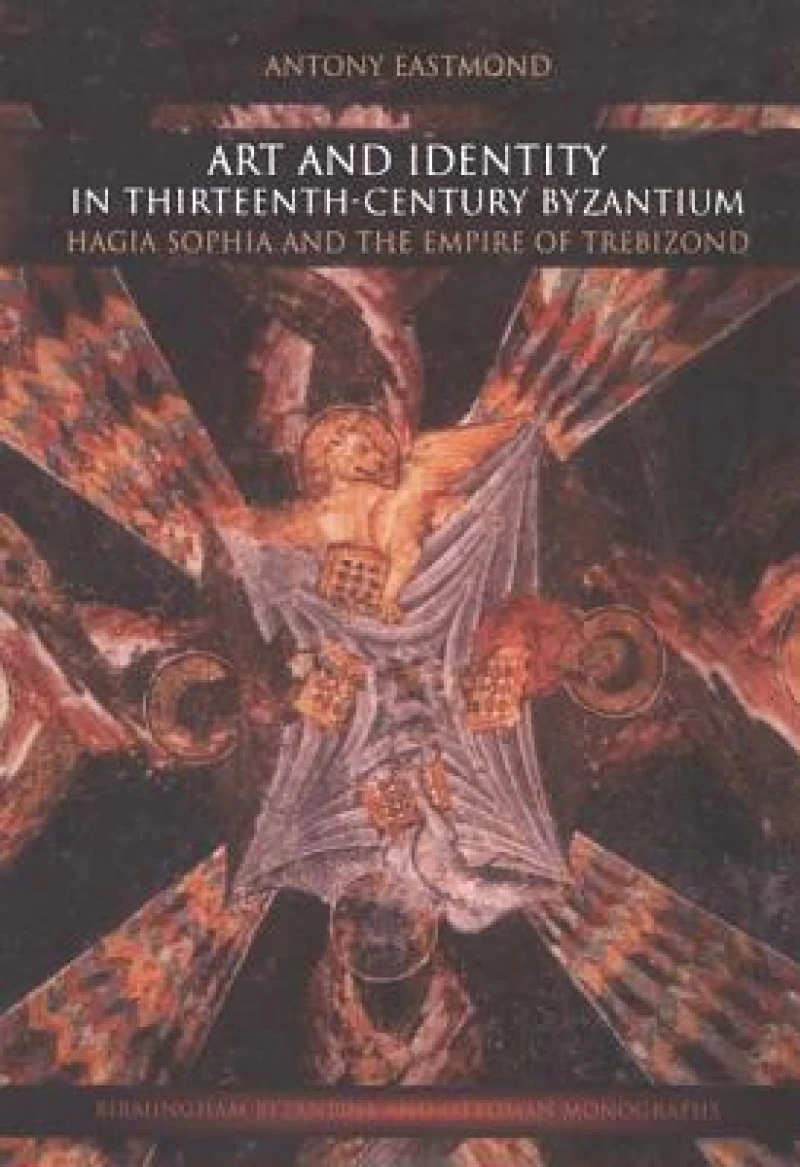
Art and Identity in Thirteenth-Century Byzantium : Hagia Sophia and the Empire of Trebizond
Book Details
Format
Hardback or Cased Book
Book Series
Birmingham Byzantine and Ottoman Studies
ISBN-10
0754635759
ISBN-13
9780754635758
Publisher
Taylor & Francis Ltd
Imprint
Routledge
Country of Manufacture
US
Country of Publication
GB
Publication Date
Oct 20th, 2004
Print length
246 Pages
Weight
748 grams
Product Classification:
Religious buildingsEuropean historyEarly history: c 500 to c 1450/1500
AI Summary
Ksh 26,100.00
Re-Printing
0 in stock
Delivery Location
Delivery fee: Select location
Secure
Quality
Fast
The church of Hagia Sophia in Trebizond, built by the emperor Manuel I Grand Komnenos (1238-63) in the aftermath of the fall of Constantinople to the Fourth Crusade, is the finest surviving Byzantine imperial monument of its period.
The church of Hagia Sophia in Trebizond, built by the emperor Manuel I Grand Komnenos (1238-63) in the aftermath of the fall of Constantinople to the Fourth Crusade, is the finest surviving Byzantine imperial monument of its period. Art and Identity in Thirteenth-Century Byzantium is the first investigation of the church in more than thirty years, and is extensively illustrated in colour and black-and-white, with many images that have never previously been published. Antony Eastmond examines the architectural, sculptural and painted decorations of the church, placing them in the context of contemporary developments elsewhere in the Byzantine world, in Seljuq Anatolia and among the Caucasian neighbours of Trebizond. Knowledge of this area has been transformed in the last twenty years, following the collapse of the Soviet Union. The new evidence that has emerged enables a radically different interpretation of the church to be reached, and raises questions of cultural interchange on the borders of the Christian and Muslim worlds of eastern Anatolia, the Caucasus and Persia. This study uses the church and its decoration to examine questions of Byzantine identity and imperial ideology in the thirteenth century. This is central to any understanding of the period, as the fall of Constantinople in 1204 divided the Byzantine empire and forced the successor states in Nicaea, Epiros and Trebizond to redefine their concepts of empire in exile. Art is here exploited as significant historical evidence for the nature of imperial power in a contested empire. It is suggested that imperial identity was determined as much by craftsmen and expectations of imperial power as by the emperor''s decree; and that this was a credible alternative Byzantine identity to that developed in the empire of Nicaea.
Get Art and Identity in Thirteenth-Century Byzantium by at the best price and quality guaranteed only at Werezi Africa's largest book ecommerce store. The book was published by Taylor & Francis Ltd and it has pages.
Discover books you might love based on this title.
More in This Genre
Religion, Revolution, and Regional Culture in Eighteenth-Century France
Ksh 30,050.00
The End of Antiquity
Ksh 3,250.00

Rooted in the Earth, Rooted in the Sky
Ksh 30,600.00

In the Direction of the Persian Gulf
Ksh 6,050.00
Serbia's Antibureaucratic Revolution
Ksh 8,100.00
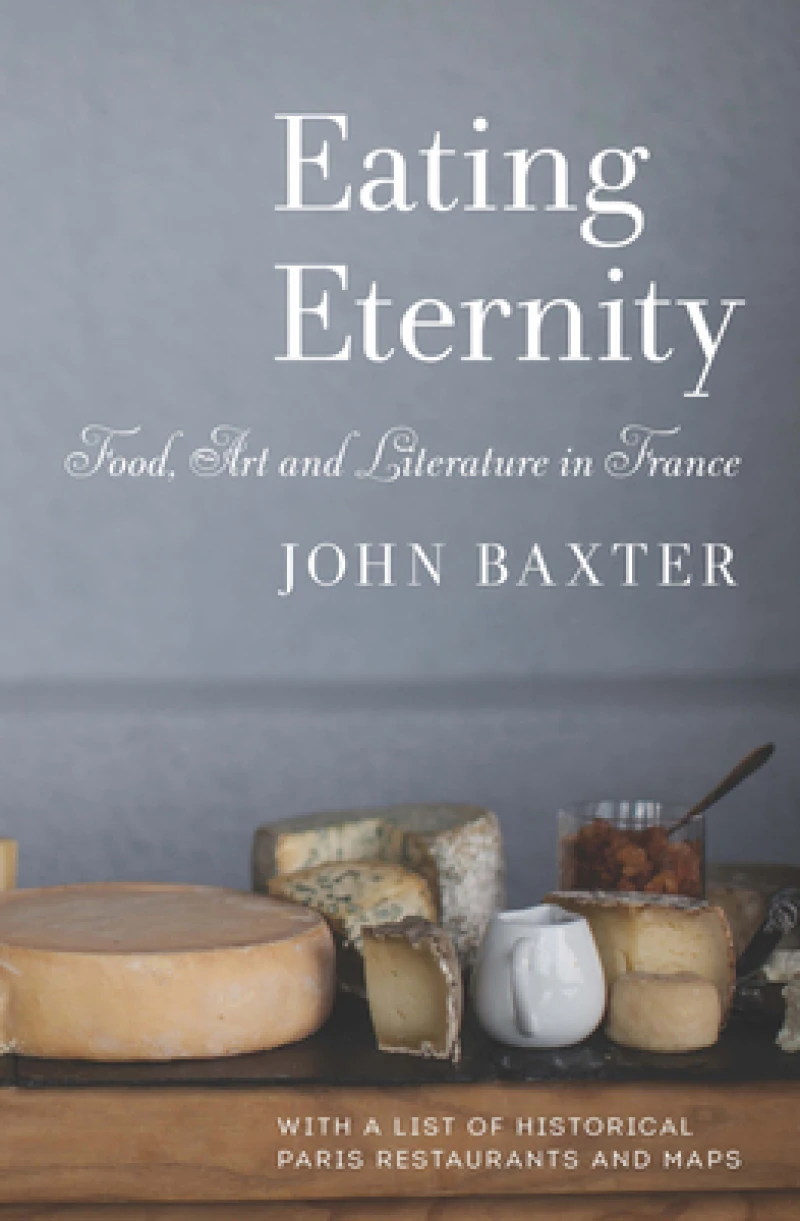
Eating Eternity: Food, Art and Literature in France
Ksh 3,050.00
