
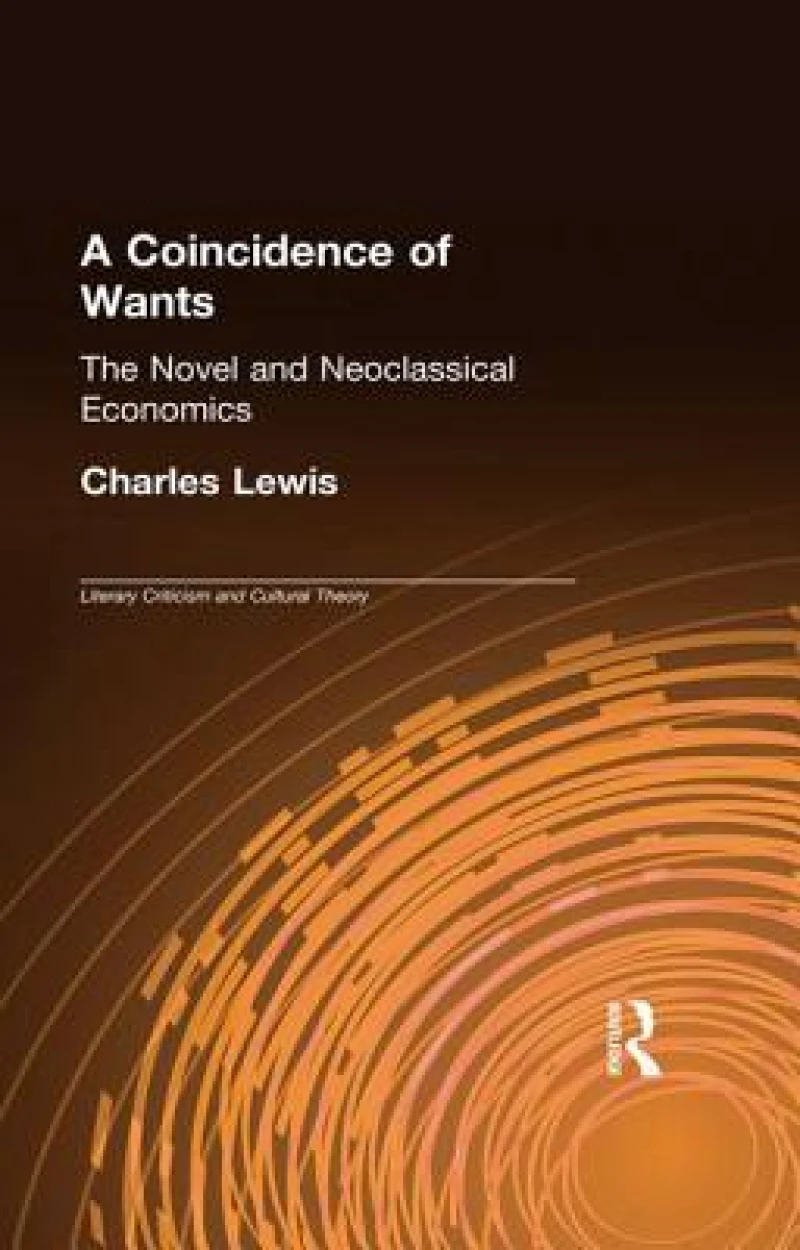
A Coincidence of Wants : The Novel and Neoclassical Economics
Book Details
Format
Paperback / Softback
Book Series
Literary Criticism and Cultural Theory
ISBN-10
1138971022
ISBN-13
9781138971028
Publisher
Taylor & Francis Ltd
Imprint
Routledge
Country of Manufacture
GB
Country of Publication
GB
Publication Date
May 18th, 2016
Print length
153 Pages
Weight
222 grams
Dimensions
14.00 x 21.50 x 1.70 cms
Product Classification:
Literary studies: fiction, novelists & prose writers
AI Summary
Ksh 9,550.00
Werezi Extended Catalogue
0 in stock
Delivery Location
Delivery fee: Select location
Secure
Quality
Fast
This interdisciplinary study examines four major British and American novels in view of key concepts from the mainstream tradition of neoclassical economics. Studies of the novel widely address its connections to capitalism, yet literary critics and theorists rarely make reference to neoclassical perspectives, which have held a key position in the formal analysis of the marketplace for over a century. Lewis argues that this overlooked area of economic thought, with its emphasis on subjective value, individual agency, and utility maximization, points to a previously unrecognized and important coincidence of wants between economic and novelistic discourse. In each of the four readings, Lewis uses a single economic problem from neoclassical theory as a model for interpreting novelistic form and content as economic configurations. Topics include narrative deferral, detour, and return as a performance of capital formation and economic development in Daniel Defoe's Robinson Crusoe; the emergence of the creative, risk-taking entrepreneur in Mary Shelley's Frankenstein; the representation of money in the romantic realization of trade in Herman Melville's Moby Dick; and a consumer utility theory of naturalist desire and indifference in Theodore Dreiser's Sister Carrie. Underscoring how neoclassical theory variously elaborates on and departs from other economic approaches and periods, the author also addresses the limitations of, and the possibilities of profitable exchange with, other critical frameworks for understanding literal and symbolic economies in narrative fiction more broadly.
This interdisciplinary study examines four major British and American novels in view of key concepts from the mainstream tradition of neoclassical economics. Studies of the novel widely address its connections to capitalism, yet literary critics and theorists rarely make reference to neoclassical perspectives, which have held a key position in the formal analysis of the marketplace for over a century.
Lewis argues that this overlooked area of economic thought, with its emphasis on subjective value, individual agency, and utility maximization, points to a previously unrecognized and important coincidence of wants between economic and novelistic discourse. In each of the four readings, Lewis uses a single economic problem from neoclassical theory as a model for interpreting novelistic form and content as economic configurations. Topics include narrative deferral, detour, and return as a performance of capital formation and economic development in Daniel Defoe''s Robinson Crusoe; the emergence of the creative, risk-taking entrepreneur in Mary Shelley''s Frankenstein; the representation of money in the romantic realization of trade in Herman Melville''s Moby Dick; and a consumer utility theory of naturalist desire and indifference in Theodore Dreiser''s Sister Carrie.
Underscoring how neoclassical theory variously elaborates on and departs from other economic approaches and periods, the author also addresses the limitations of, and the possibilities of profitable exchange with, other critical frameworks for understanding literal and symbolic economies in narrative fiction more broadly.
Lewis argues that this overlooked area of economic thought, with its emphasis on subjective value, individual agency, and utility maximization, points to a previously unrecognized and important coincidence of wants between economic and novelistic discourse. In each of the four readings, Lewis uses a single economic problem from neoclassical theory as a model for interpreting novelistic form and content as economic configurations. Topics include narrative deferral, detour, and return as a performance of capital formation and economic development in Daniel Defoe''s Robinson Crusoe; the emergence of the creative, risk-taking entrepreneur in Mary Shelley''s Frankenstein; the representation of money in the romantic realization of trade in Herman Melville''s Moby Dick; and a consumer utility theory of naturalist desire and indifference in Theodore Dreiser''s Sister Carrie.
Underscoring how neoclassical theory variously elaborates on and departs from other economic approaches and periods, the author also addresses the limitations of, and the possibilities of profitable exchange with, other critical frameworks for understanding literal and symbolic economies in narrative fiction more broadly.
Get A Coincidence of Wants by at the best price and quality guaranteed only at Werezi Africa's largest book ecommerce store. The book was published by Taylor & Francis Ltd and it has pages.
Discover books you might love based on this title.
More in This Genre

Sterne’s Whimsical Theatres of Language
Ksh 6,200.00
David Malouf
Ksh 4,500.00

Literary Impressionism and Modernist Aesthetics
Ksh 7,950.00
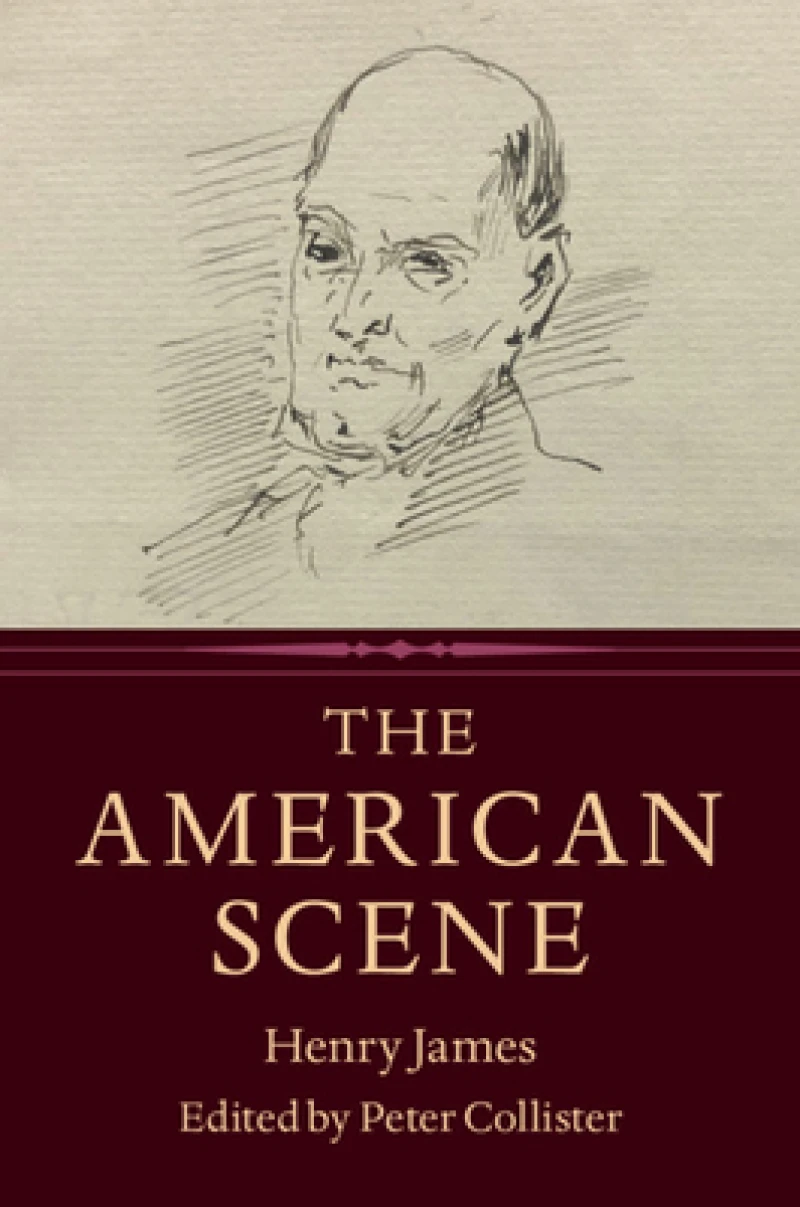
The American Scene
Ksh 20,650.00

The William Makepeace Thackeray Library
Ksh 17,100.00

Women's Diaries as Narrative in the Nineteenth-Century Novel
Ksh 7,200.00
